Remote Code Execution in Apache Struts Expression Language Parser
A remote code execution vulnerability exists in Apache Struts 2.5.0 through 2.5.30 due to improper validation of OGNL expressions in the expression language parser. An unauthenticated attacker can execute arbitrary code on the target system by submitting specially crafted expressions through HTTP requests.
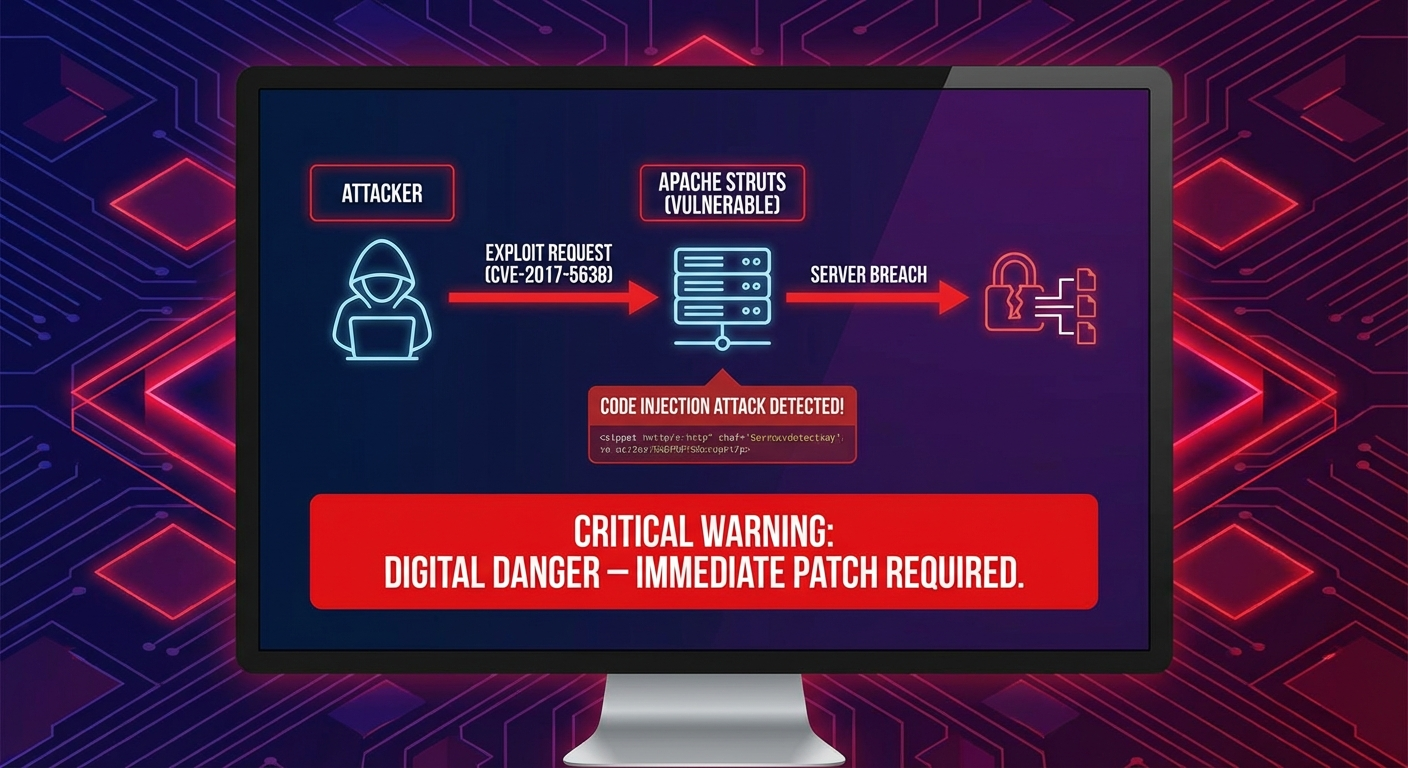
This section explains the vulnerability in everyday language, so anyone can understand the risk and impact.
This is a serious security flaw in Apache Struts, which is popular software used to build web applications. The vulnerability allows attackers to take complete control of a web server without needing any password or special access.
The problem occurs because Struts doesn't properly check certain types of commands that users can send to the server. An attacker can send specially crafted malicious commands that trick the server into running whatever code they want. This could let them steal data, install malware, or damage the system.
This is particularly dangerous because it can be exploited remotely over the internet without needing any special access to the system. Any organization using a vulnerable version of Apache Struts should update their software immediately.
Affected Products
Remediation
1. Upgrade Apache Struts to version 2.5.31 or later
2. If immediate upgrade is not possible, implement WAF rules to filter malicious OGNL expressions
3. Monitor systems for suspicious OGNL evaluation attempts
4. Review logs for potential exploitation attempts